
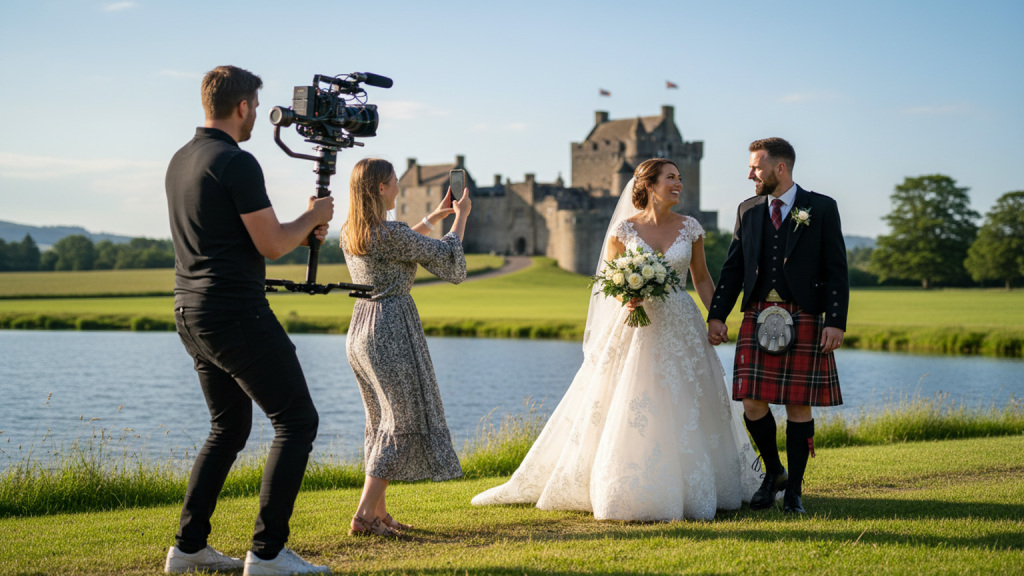
You’ve seen them on your Instagram feed. Those wedding videos that appear within hours of the ceremony, raw and immediate, capturing the energy of the day as if you were right there. Chances are, a wedding content creator was behind them.
This role has become one of the fastest-growing trends in the wedding industry, sparking conversations among couples, photographers, and videographers alike. As someone who films weddings professionally, I’ve watched this shift firsthand and helped many couples navigate what can feel like a confusing decision: should you hire a content creator, a traditional videographer, or both?
In this guide, I’ll walk you through what content creators actually do, how they differ from videographers, and which option might be right for your wedding. This isn’t about selling you on one service over another. It’s about giving you the information you need to make an informed choice.
The Origin Story: How Content Creation Became a Wedding Staple
The wedding content creator role didn’t emerge from the wedding industry itself. It was born from social media culture and the evolution of digital platforms.
The term “content creator” has roots in the early 2000s, when media and marketing professionals began describing text, images, and video as “content,” and the people producing it as creators. This language appeared in digital marketing and platform documentation as the commercial web expanded. The term spread widely once social platforms started treating users as a source of material to attract advertising. Ordinary users recording videos or posts for an audience became “content creators,” a shift that fundamentally changed how we think about media production.
The wedding-specific application of this role is often credited to Lauren Ladouceur, a wedding planner and influencer who created the position for her own 2020 wedding. She wanted behind-the-scenes content she could share with her 25,000 Instagram followers. Footage captured specifically for social media, delivered quickly, and shot in vertical format. When she coined the hashtag #weddingcontentcreator, she helped popularise the concept, though whether she was the first to offer this service remains debated within the industry.
What’s undeniable is that the role quickly gained traction. According to wedding planning platform Hitched’s 2025 trend report, there has been a 586% year-on-year increase in search demand for wedding content creators. The trend began gaining momentum in Australia and the United States before expanding rapidly across Europe, including London, Tuscany, Greece, and Portugal.
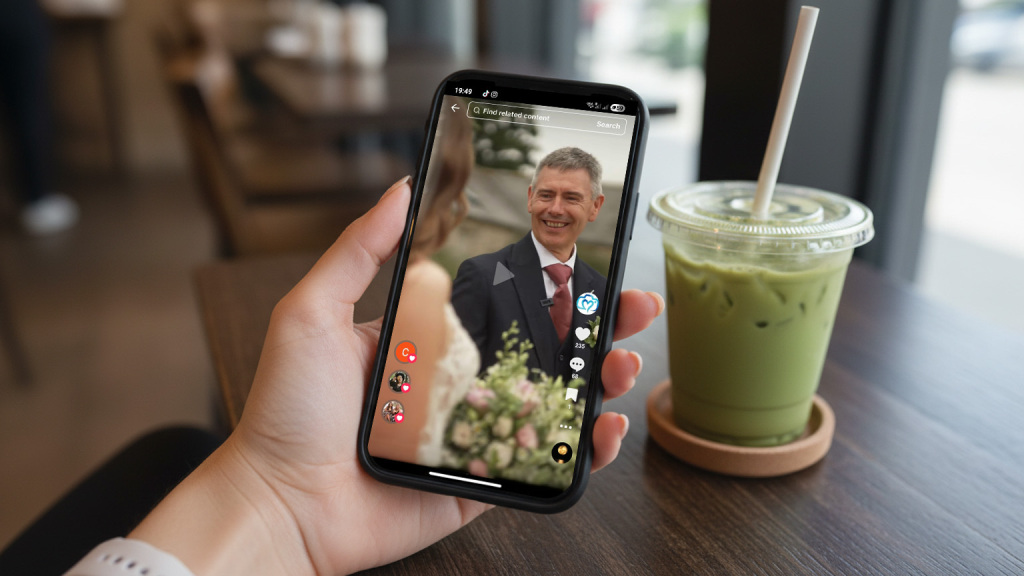
Viral TikTok Reveal to Father of the Bride
What Does a Wedding Content Creator Actually Do?
A wedding content creator specialises in capturing your wedding day using a smartphone, typically an iPhone. Their focus is on creating vertical, social media-ready content that can be shared on Instagram Reels, TikTok, and Stories, usually within 24-48 hours of your wedding.
What you can typically expect:
- Full day coverage filmed on a smartphone
- Candid, behind-the-scenes moments and guest reactions
- Coordination of trending Reels and TikTok transitions if desired
- Quick cuts and trending social media edits
- Vertical format optimised for mobile viewing
- Both raw iPhone clips and edited highlight reels
- Delivery within 24-48 hours with minimal post-production
- Coverage of TikTok trends, dances, and viral moments if requested
The beauty of this approach is its immediacy. You wake up the day after your wedding, still buzzing from the celebration, and can already start sharing moments with friends and family who couldn’t attend. For couples deeply embedded in social media culture, this instant gratification is incredibly appealing.
Content creators typically work discreetly alongside photographers and videographers, focusing on different angles and moments. They’re not there to replace your professional team but to complement them by capturing the spontaneous, unpolished snippets that traditional wedding films might miss.
It’s worth noting that pricing varies significantly depending on location and experience. Lauren Ladouceur’s own services, for instance, start at $4,000 USD (approximately £3,000) for 8-10 hours of coverage and 4-5 edited recap videos, positioning her at the premium end of the market. Meanwhile, UK-based content creators typically charge £300-£800, making the service accessible to a broader range of couples.
What Does a Wedding Videographer Do?
A wedding videographer approaches your day with a completely different philosophy and toolkit. Instead of filming on a smartphone, they use cinema-grade cameras, professional audio equipment, and carefully framed shots to create a polished, cinematic film.
What you can typically expect:
- Multi-camera coverage with cinema cameras and professional lenses
- Professional audio recording with lavalier microphones and audio equipment
- Cinematic framing
- Highlight films (3-10 minutes) and feature films (20-60 minutes)
- Sound design, colour grading, and professional editing
- Horizontal format optimised for large screens, allowing for re-cropping into vertical edits
- Delivery in 8-16 weeks after extensive post-production
- Optional add-ons like drone footage, uncut ceremonies, and speeches
The wedding videographer’s role is to tell your story as a narrative. They’re thinking about how the day flows, how emotions build, and how to craft those moments into something you’ll want to watch repeatedly over the years. The result is a film that feels intentional, polished, and timeless.
Typical UK pricing: £1,500-£5,000+ depending on coverage, deliverables, and experience.
The Technology Gap: Smartphone vs Cinema Camera
One of the most significant differences between content creators and videographers is the equipment they use. While smartphone cameras have improved dramatically in recent years, there are fundamental technical limitations that affect image quality.
Sensor Size and Light Performance
Cinema cameras used by professional videographers have sensors that are much larger than those in smartphones.
To put this in perspective, the iPhone 16 Pro Max, a smartphone with one of the largest sensors available, measures roughly 13mm diagonally, while a full-frame cinema camera has a sensor measuring 36mm x 24mm (43.3mm diagonal). That’s over three times larger in diagonal measurement, and the difference in total sensor area is even more dramatic.
This larger surface area allows cinema cameras to capture exponentially more light and detail, particularly in challenging lighting conditions like dimly lit wedding receptions or evening ceremonies.
This matters when it comes to low-light performance, which is needed for weddings. Evening receptions, candlelit ceremonies, and dimly lit venues all benefit from larger sensors that can capture more light without introducing digital noise or grain.
Smartphones use pixel binning and computational photography – essentially taking multiple photos and using software to stitch them together – to compensate for smaller sensors. While this works well in good lighting, larger sensors in cinema cameras capture better detail, colour accuracy, and dynamic range, particularly in challenging conditions.
Depth of Field and Cinematic Look
Cinema cameras paired with interchangeable lenses allow videographers to create shallow depth of field, where the subject is in sharp focus while the background softly blurs. This is the signature “cinematic look” you see in films. Smartphones struggle to replicate this naturally due to their small sensors and fixed lenses, though software increasingly attempts to simulate the effect.
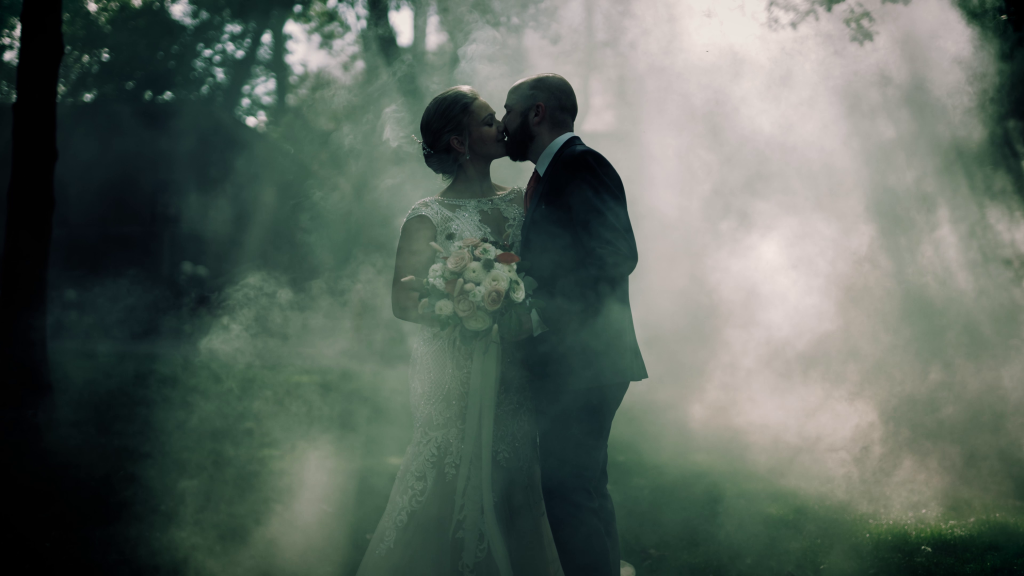
Footage captured on a cinema camera with a full-frame sensor with cinematic look
Dynamic Range
Dynamic range refers to a camera’s ability to capture detail in both the brightest highlights and darkest shadows simultaneously. This is crucial for weddings, where you might have bright sunlight streaming through windows while the interior remains dim. Cinema cameras excel here, preserving detail across the entire scene without blowing out highlights or crushing shadows.
Smartphones compensate with HDR processing, but this often results in a slightly artificial look compared to the organic tonal transitions captured by professional cameras.
AI vs Optical Quality
Many smartphones use software and AI to improve images, compensating for hardware shortcomings. While this produces impressive results for social media, it doesn’t match the optical quality of cinema cameras, which capture the scene without digital enhancement.
None of this is to diminish the role of content creators or smartphone technology. For social media sharing, the quality is more than adequate. But for a film you’ll watch on your television for decades, cinema cameras deliver a noticeably superior result.
The Hybrid Approach: Social Shorts by Videographers
Recognising the desire for both speed and quality, many videographers, including ourselves at Momentous Films, now offer social shorts as part of their packages. This is where the best of both worlds comes together.
What are social shorts?
Social shorts are professionally filmed, vertical-format films that are delivered quickly, usually within 7 days of your wedding. They’re shot on the same cinema cameras used for your full film, with professional audio and carefully composed shots, but edited specifically for social media sharing.

The difference from content creators:
- Filmed on cinema cameras, not smartphones
- Professional audio with lavalier microphones
- Cinematic quality and colour grading
- 7-day turnaround (rather than 24 hours, but much faster than full films)
- Created by the same team producing your longer wedding film
- Can be customised to different themes or moments from the day
At Momentous Films, 80% of our 2025 bookings included at least one social short film, compared to just a third in 2023. This shows how much couples value having something high-quality to share quickly while still investing in a full cinematic film.
The beauty of social shorts is flexibility. Couples increasingly ask for multiple shorts, each focused on a different part of the day or theme. We recently provided a couple with six social shorts, posted on their Instagram over a week like a mini-series, each revealing a little more of their story. You might have one for each side of the morning preparations, another for the ceremony cut with your vows, one showcasing the venue and couple shoot, another for the first dance, and a final one capturing the party atmosphere.
This approach bridges the gap between immediate gratification and lasting quality.
Content Creator vs Videographer: A Side-by-Side Comparison
| Typical Content Creator Package | Typical Videographer Package with Social Shorts | |
|---|---|---|
| Equipment |
|
|
| Delivery Time |
|
|
| What You May Receive |
|
|
| Format |
|
|
| Audio Quality |
|
|
| Post-Production |
|
|
| Style & Approach |
|
|
| Longevity |
|
|
| Typical UK Price |
|
|
| Best For |
|
|
The Benefits of Hiring a Content Creator
Content creators fill a genuine need in the modern wedding landscape. Here’s what they do exceptionally well:
1. Instant Gratification
There’s something magical about waking up the morning after your wedding and seeing footage already available. You can share it with friends and family while memories are still fresh, and the excitement is still tangible. For couples on honeymoon, it’s a lovely way to relive moments just days after they happened.
2. Authentic, Guest Perspective
Content creators capture your day from a more casual, guest-like angle. This raw, fly-on-the-wall approach feels authentic and unfiltered, complementing the polished work of your photographer and videographer.
3. Trending Content and Viral Moments
Content creators live and breathe social media trends. They know which TikTok transitions are popular, which Reels formats perform well, and how to capture moments that are specifically designed to go viral. If you want your wedding to feature trending sounds, choreographed moments, or creative transitions that feel native to Instagram and TikTok, content creators excel at this. They can help you recreate popular trends with your bridal party, coordinate spontaneous dance moments, or capture the kind of authentic, shareable content that resonates with social media audiences.
4. Social Media Optimised
If you’re active on Instagram or TikTok, content creators understand the language of these platforms. They know how to frame shots vertically, which trending sounds work, and how to create thumb-stopping content that performs well on social algorithms.
5. Budget-Friendly Option
At £300-£800, content creators are significantly more affordable than traditional videography. For couples on a tight budget who still want moving images from their day, this can be an accessible entry point.
6. Complements Your Main Team
When working alongside photographers and videographers, content creators provide an additional layer of coverage without requiring couples to coordinate multiple vendors or worry about conflicting shooting styles.
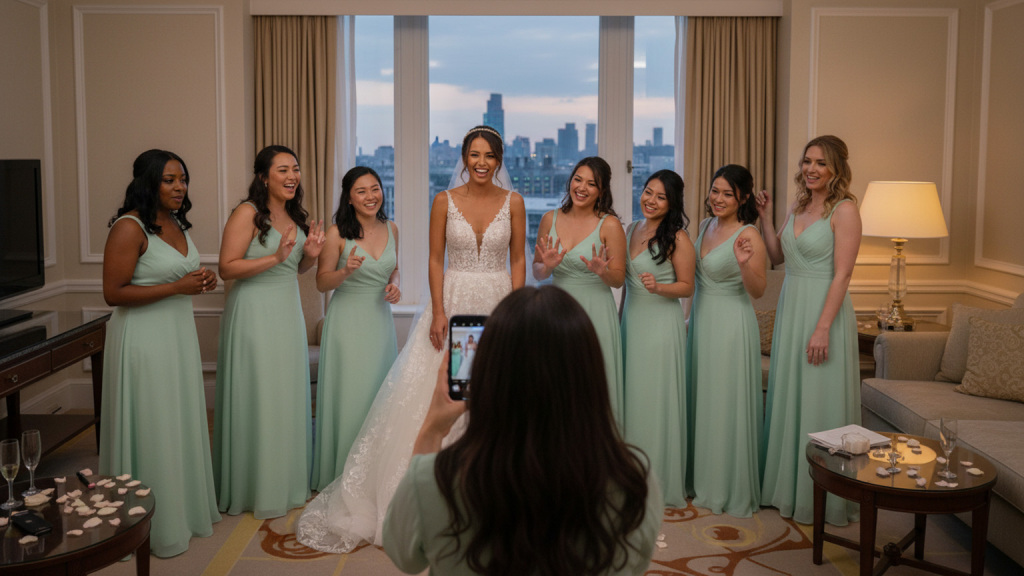
Content creator filming a viral wedding trend
Points to Consider with Content Creators
While content creators offer clear benefits, there are some limitations to keep in mind:
1. Image Quality Limitations
Smartphone sensors, no matter how advanced, can’t match the image quality of cinema cameras, particularly in low light. Evening receptions, candlelit ceremonies, and dimly lit venues will show noticeable differences in noise, detail, and colour accuracy.
2. Audio Challenges
Phone microphones capture ambient sound but struggle with clarity during vows, readings, and speeches, especially in large venues or outdoor settings. Wind, background chatter, and distance all affect audio quality significantly. Check how your content creator plans to capture high quality audio.
3. Limited Depth of Field
The cinematic look with beautifully blurred backgrounds is difficult to achieve naturally on a smartphone. While software tries to simulate this, it doesn’t replicate the optical quality of professional lenses.
4. No Long-Form Storytelling
Content creators excel at snippets and quick cuts, but they’re not creating a narrative film that captures the arc of your entire day. If you want a film you can sit down and watch from start to finish, content creation alone won’t fulfil that need.
5. Longevity Questions
Will you still value vertical, TikTok-style clips in 10, 20, or 30 years? Social media formats change rapidly. Horizontal, cinematic films have a timeless quality that transcends trends.
6. Variable Experience Levels
Because the barrier to entry is low (anyone with a smartphone can theoretically become a content creator), experience levels vary wildly. Some content creators are highly skilled professionals; others are newcomers learning on the job.
The Benefits of Hiring a Videographer
Traditional videography offers a completely different value proposition, one focused on longevity, quality, and storytelling:
1. Cinematic Quality
Cinema cameras, professional lenses, and expert colour grading produce a film that looks and feels like something you’d watch on a premium streaming service. This quality doesn’t degrade over time and looks stunning on large screens.
2. Professional Audio
Discreet lavalier microphones ensure every word of your vows, readings, and speeches is captured clearly, even in challenging acoustic environments. Sound design in post-production adds depth and emotion.
3. Narrative Storytelling
Videographers craft your day into a story with beginning, middle, and end. They’re thinking about pacing, emotional beats, and how to weave together disparate moments into something cohesive and moving.
4. Superior Low-Light Performance
Large sensors excel in dim lighting, capturing clean, detailed footage during evening receptions, candlelit moments, and golden hour shoots without excessive noise or grain.
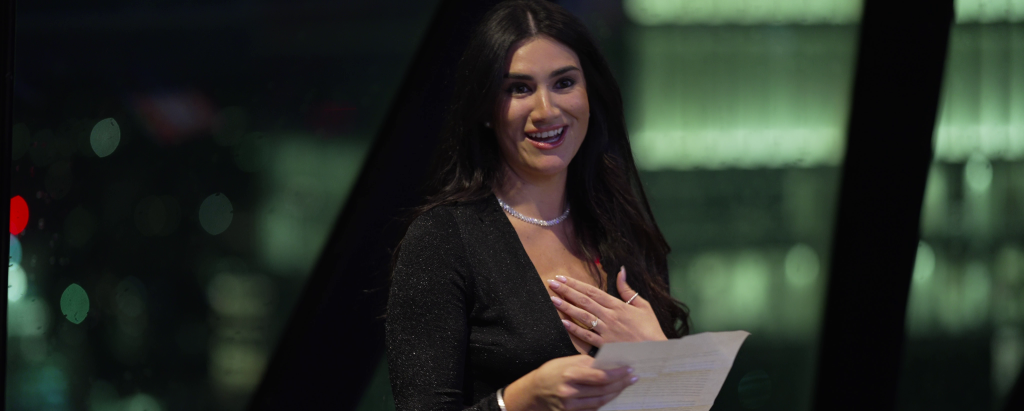
Wedding speech in low light at Searcy’s at the Gherkin, London
5. Timeless Format
Horizontal, cinematic films don’t feel tied to a specific social media trend or platform. They’re designed to be watched and rewatched for decades, shared with future generations.
6. Depth and Detail
Professional cameras and lenses create depth, texture, and visual interest that smartphones simply can’t replicate. Shallow depth of field, bokeh, and cinematic framing elevate your film aesthetically.
7. Extensive Post-Production
Colour grading, sound design, and meticulous editing transform raw footage into something polished and professional. This craft takes time but results in a film that feels intentional and artful.
8. Add-Ons and Flexibility
Many videographers offer options like drone footage, uncut ceremonies and speeches, documentary features, and multiple edits, giving you a comprehensive archive of your day.
Points to Consider with Videographers
Traditional videography also has some trade-offs worth considering:
1. Longer Wait Times
Full wedding films typically take 8-16 weeks to deliver. This extended timeline is necessary for proper editing, colour grading, and sound design, but it means waiting months to see your film.
2. Higher Investment
Professional videography is a significant financial commitment, typically ranging from £1,500 to £5,000 or more. For couples with limited budgets, this can feel prohibitive.
3. Not Always Optimised for Social Media
Traditional wedding films are generally shot horizontally and designed for large screens. While you can share clips on social media, they’re not native to those platforms in the way vertical content is. Having said that, many videographers will shoot vertically if the client requests that, or books a social short as part of the deal.
Making Your Decision: Questions to Ask Yourself
Choosing between a content creator and a videographer (or deciding whether to have both) ultimately comes down to your priorities, budget, and how you envision using your wedding footage. Here are some questions to guide your decision:
- What matters more to you: immediate sharing or long-term quality?
- How important is social media to your wedding experience?
- What’s your realistic budget for capturing moving images?
- Would you rather invest in one high-quality service or split the budget between multiple options?
- Are there other wedding expenses you could adjust to accommodate professional videography?
- Will parts of your wedding take place in low light (evening reception, candlelit ceremony)?
- How important is capturing high-quality audio of vows, readings, and speeches?
- Do you have a stunning venue that would benefit from cinematic drone footage?
- Are you having an intimate elopement or a large celebration?
- Would you prefer a film that tells your entire day’s story or quick, shareable moments?
- How tech-savvy are you with editing and creating your own content from raw clips?
The Best of Both Worlds: Combining Services
You don’t necessarily have to choose. Many couples are opting for both a traditional videographer and a content creator, ensuring they get cinematic quality for the long term and instant social media content for immediate sharing.
If budget allows, this combination offers comprehensive coverage:
- Videographer creates your timeless, cinematic film with professional quality
- Content creator delivers instant social content for sharing and celebrating
Alternatively, the hybrid approach through social shorts offers a middle ground. You get the professional quality and audio of traditional videography but with a much faster turnaround for social sharing, plus the full cinematic film to treasure for years.
At Momentous Films, we added the option for couples to book multiple social shorts specifically because we saw this demand growing. Our instant quote builder on our website allows you to customise exactly what you want, mixing and matching options to fit your vision and budget.
Real Couples, Real Experiences

Couples consistently tell me they love having something to share soon after the wedding. It’s wonderful to post content while friends and family are still talking about the day, and it extends that celebratory feeling beyond the 24 hours of the wedding itself. We’ve found a seven-day turnaround for social shorts strikes the right balance between quality and speed.
Final Thoughts: There's No Wrong Choice
Whether you choose a content creator, a traditional videographer, social shorts, or a combination of services, you’re making a decision to preserve your wedding day in moving images. That decision itself is valuable.
Content creators serve a genuine purpose in today’s wedding landscape. They’re affordable, fast, and perfectly suited to social media culture. For couples who prioritise immediate sharing and authentic, raw footage, they’re an excellent choice.
Traditional videographers offer something different: cinematic quality, professional audio, narrative storytelling, and a timeless film you’ll treasure for decades. The investment is higher, and the wait is longer, but the result is a polished piece of art.
Social shorts by professional videographers bridge this gap, offering cinema-quality footage optimised for social media with a turnaround measured in days rather than months.
The “right” choice is the one that aligns with your priorities, budget, and vision for how you’ll remember and share your wedding day. Whatever you decide, make sure it feels true to you as a couple.
Because at the end of the day, this isn’t about equipment or delivery times or social media algorithms. It’s about telling your love story in a way that feels authentic, meaningful, and uniquely yours.