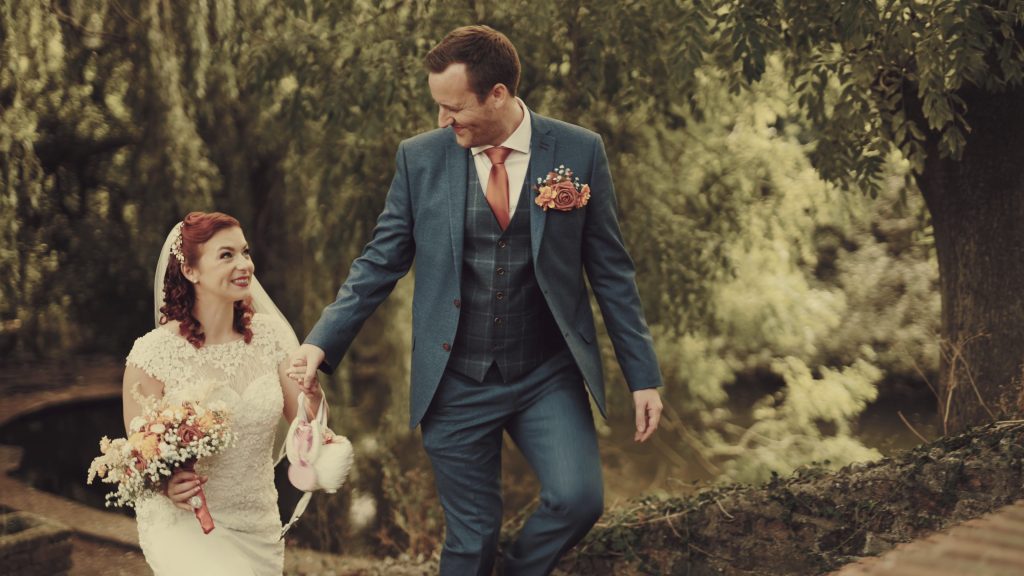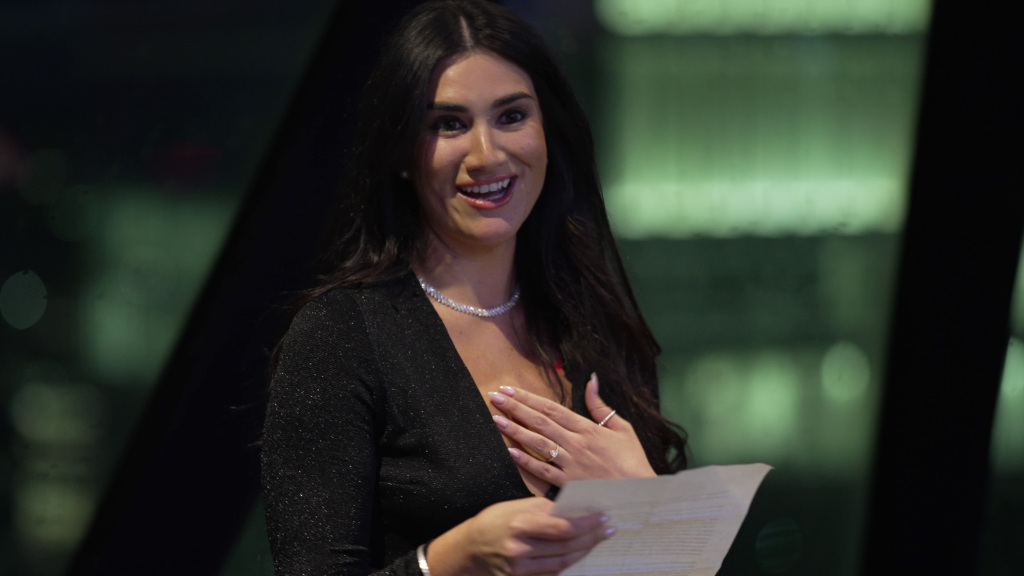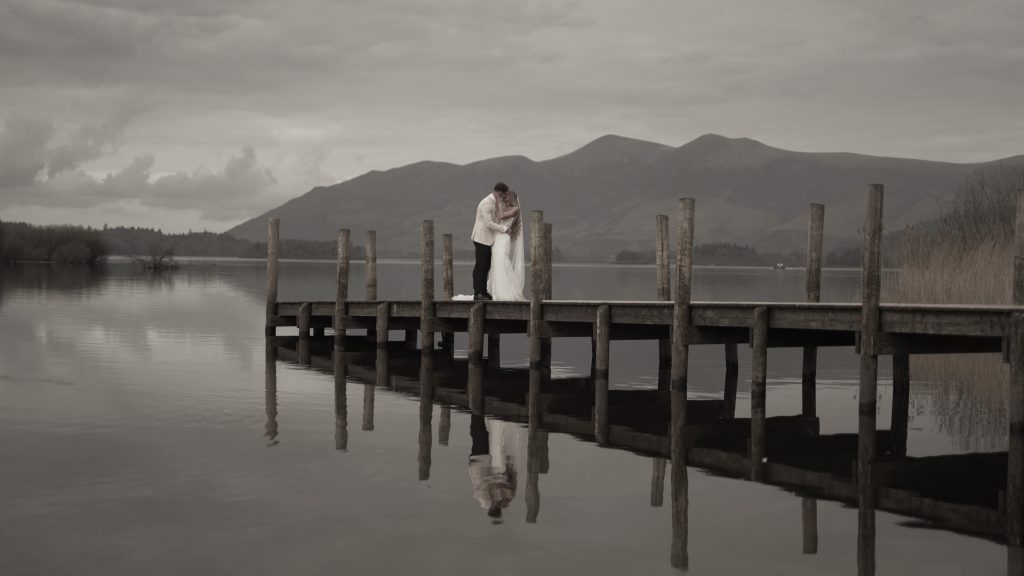
Your wedding day is full of moments that pass in the blink of an eye: the fleeting glance when your partner sees you for the first time, the nervous excitement before the ceremony, the heartfelt laughter during speeches, the spontaneous joy on the dance floor.
Choosing a Wedding Videographer in the UK
Why a Wedding Film Matters
Photographs freeze moments in time, but a wedding film lets those moments breathe. You can hear the laughter, feel the nerves before the ceremony, and watch the subtle glances and gestures that make your day truly yours. I’ve seen how the right approach can turn fleeting moments into a narrative that reflects your story, rather than just a sequence of events.
There are countless reasons to invest in a wedding film, and many couples tell me it’s one of the decisions they never regret. One of the most common regrets I hear is not having a videographer at all. Once the day is over, those moments are gone forever, and there’s no way to recreate them. A film ensures those experiences live on, not just as images, but as sounds, movement, and emotion.
A wedding film is also a gift to yourself. It lets you revisit your day years later and share it with those who couldn’t attend. It can be treasured by future generations, giving your children and grandchildren a window into your love story. Beyond the emotional impact, it complements your photographs, adding depth, sound, and motion to memories you might otherwise forget.
It can capture moments that are almost impossible to relive otherwise: a friend’s spontaneous laughter during speeches, a child’s carefree dancing on the floor, or the quiet, intimate exchanges before the ceremony begins. A well-made film preserves the atmosphere and energy of the day in a way that no photograph can, allowing you to relive the story of your wedding again and again.
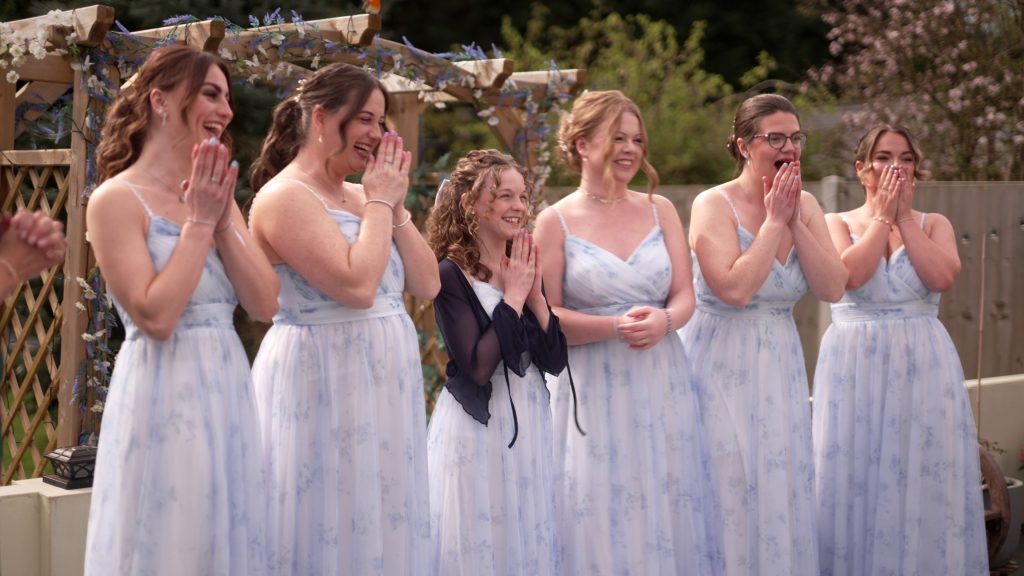
Bride’s reveal to her bridesmaids
Step 1: Find Your Preferred Film Style
Before reaching out to videographers, it helps to understand the type of film you’re drawn to. Each style tells your story differently, and knowing what resonates with you will make it easier to find a videographer who aligns with your vision.
Documentary / Candid
Focuses on real moments as they happen, capturing laughter, tears and the little interactions naturally, without interrupting the flow of the day. Perfect if you want your film to feel authentic, relaxed and effortless.
Cinematic (Story-Driven)
Combines the beauty and emotion of cinematic storytelling with the natural rhythm of your day. Expect sweeping drone shots, soft lighting and carefully composed framing, woven together with sound design, vows, and speeches. The result feels like a short film that draws you into the atmosphere and story of the day while remaining genuine and personal.
Editorial
Think of a Hello! Magazine wedding feature brought to life. This style has a polished, high-fashion look with elegant poses, glamorous angles and refined direction from your videographer. It’s ideal for couples who want their film to look striking, luxurious and stylised, focusing more on artful presentation than documentary realism.
Vintage / Nostalgic
A growing trend that blends modern filming with retro techniques such as soft grain, Super 8 overlays or handheld home-video textures. This approach gives your film a sentimental, timeless quality, as though you’re watching a cherished family memory unfold.
My own style is a blend of documentary and cinematic approaches, combining natural, unscripted moments with visual storytelling that brings out the emotion and atmosphere of the day. I gravitate toward this style because it respects the truth of your wedding while elevating it cinematically. You shouldn’t have to choose between authenticity and artistry. Documentary filming ensures nothing is forced or staged, capturing the spontaneous laughter, tears, and connections exactly as they unfold. Meanwhile, cinematic techniques like intentional framing, sound design, and thoughtful editing transform those real moments into something you’ll want to watch repeatedly. It’s the balance that matters most: your day remains yours, but the final film feels like the kind of storytelling you’d expect from a premium production.
When you’ve found a few styles you love, share examples with your videographer to help define tone, pacing and overall feel. This ensures that by the wedding day, everyone has a shared vision for how your story will be told.
Documentary / Candid
Natural, unobtrusive filming that captures genuine emotion and moments as they happen.
- Handheld or gimbal shots
- Natural lighting
- Ambient sound
- Real reactions
Cinematic (Story-Driven)
Emotive storytelling that blends visuals, vows and music for a filmic experience.
- Slow motion
- Drone footage
- Creative lighting
- Narrative flow and sound design
Editorial
Stylised and directed, like a luxury magazine shoot with elegant framing and refined poses.
- High-contrast lighting
- Controlled direction
- Symmetrical compositions
- Luxury settings
Vintage / Nostalgic
Retro-inspired films with a sentimental and timeless aesthetic.
- Super 8 overlays
- Soft grain
- Muted tones
- Handheld footage
Step 2: Review Full Films, Not Just the Teasers
Watching full-length wedding films is especially important if you want a longer feature. Teaser and highlight films can be beautifully edited but often don’t tell you much about the quality of the full film. I always encourage couples to request a few full-length films from their potential videographers. Seeing how a videographer handles pacing, audio, storytelling, and transitions over an entire wedding will give you a much better sense of their style and capabilities.
In our wedding film portfolio page, we list a few of our recent highlight and teaser films, but are always happy to share longer and more examples when asked.
Pay attention to how the videographer captures the flow of the day. Are the ceremony and speeches clear and well-framed? Do the moments between key events (getting ready, pre-ceremony nerves, quiet interactions) feel natural and connected? These are the details that often make the difference between a film you’ll watch once and one you’ll treasure forever.
Also, notice how emotions are handled. A good videographer will balance capturing laughter, tears, and energy without over-dramatising or manipulating moments. Think about whether you connect with the way the story is told. Does it feel authentic and reflective of a real wedding day, rather than a collection of staged shots?
Another thing to consider is audio. The sound quality can make or break a film. Listen to how vows, speeches, and ambient sound are captured. Are voices clear without harsh background noise? Can you hear the laughter, cheers, and music in a way that feels immersive?
Finally, use these full films as a conversation starter. Take notes on what you like and don’t like. Discussing these examples with your videographer will help ensure they understand your vision and priorities. The earlier you do this, the better chance you have of ending up with a wedding film that truly reflects your day, your story, and the people you love.
If you’re only after short social edits, this step isn’t essential. Focus instead on the consistency of style and how naturally the moments are captured across different weddings.

London Wedding – 2026 Feature Film
Step 3: Check Credentials and Equipment
When I meet couples for the first time, one of the most common questions I get is about credentials and equipment. It’s understandable – a wedding film is a big investment, and you want to know your videographer is professional, safe, and capable of delivering the quality you expect.
First, consider the operator’s experience and training. In the UK, drone use is regulated by the Civil Aviation Authority (CAA). A professional videographer should have the correct flyer ID, operator ID, and Public Liability Insurance (PLI) if they intend to use all but the smallest drones. These aren’t just box-ticking exercises; they show the videographer understands safety, legal compliance, and takes responsibility for your day.
Drone choice also matters for image quality. Small drones under 250g can be convenient and require minimal regulation, but tend to struggle in low light and wind, and their image sensors can’t capture the same depth or cinematic tone. In contrast, professional setups like the DJI Mavic 4 Pro Cine provide cinema-quality footage with incredible dynamic range and stability, giving those sweeping, film-quality shots that really elevate the finished piece. Seeing a comparison of footage from these setups can give you a sense of what your film will look like from the air.
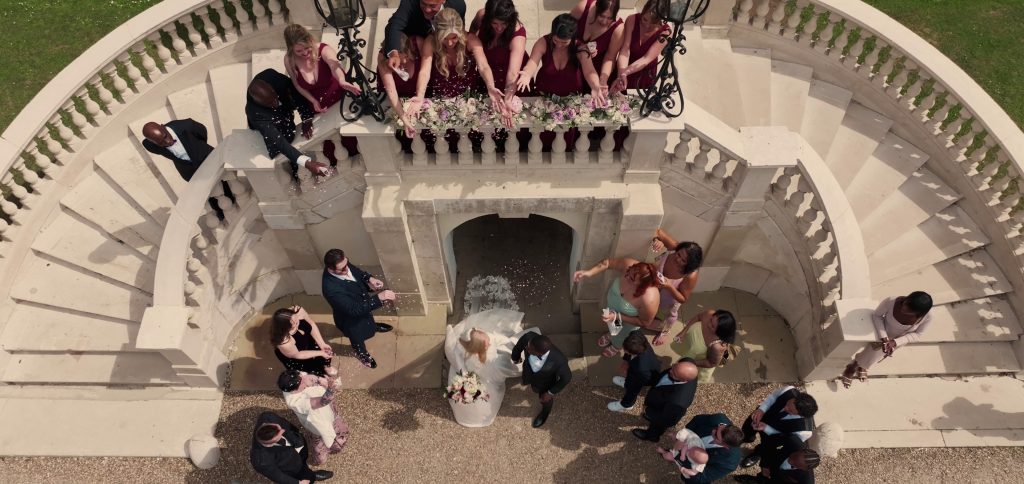
Drone shot of confetti at Botleys Mansion wedding
Next, think about cameras and lenses for the main filming. The difference between entry-level and cinema-grade cameras is more than just resolution. High-end cameras capture better colour, dynamic range, and depth, which is particularly noticeable in low-light conditions like evening dances or candlelit ceremonies. Ask the videographer what cameras and lenses they use, and if possible, request examples from past weddings filmed with the same gear. Cinema cameras like the Sony FX6 and the Canon EOS C400 produce exceptional results compared with DSLRs or consumer-grade cameras. High-quality equipment ensures your film looks cinematic and polished. Cinema cameras like the two mentioned perform very well in low-light conditions which is perfect for the evening dancing and golden/blue-hour shoots.
Crew size and flexibility are also important. For smaller weddings or elopements, one videographer can be sufficient. But for larger venues, split preparations, or long ceremonies, a second camera operator ensures multiple angles without interrupting the flow of the day. It also allows for smoother coverage during speeches and the ceremony, so key moments aren’t missed.
Finally, check their workflow and equipment setup. Ask whether everything runs off batteries or if mains power is required, how many backup systems they have, and how they ensure nothing is missed if a technical issue arises. A professional videographer will have redundancy built into their approach, from additional cameras to spare batteries, so your day is captured seamlessly.
Taking the time to understand credentials, equipment, and logistics will give you confidence that your videographer is competent, compliant, and capable of telling your wedding story in the best possible way.
Step 4: Sound Considerations
Great visuals tell half the story – the rest is in the sound. Audio is the most overlooked parts of a wedding film, yet it’s what makes your vows, readings and speeches truly come alive. Good audio doesn’t just capture what’s said – it draws you back into that moment and adds emotional depth that visuals alone can’t deliver.
A professional videographer won’t rely on the on-camera microphone. Those built-in mics are designed to pick up everything around them, which means the result often sounds echoey and distant. Instead, we use small wireless microphones (called lavalier mics) that clip discreetly onto clothing. These record clean, clear dialogue, even in a large venue or windy outdoor setting.
In most cases, only the groom needs to wear a mic during the ceremony – his mic will pick up both voices clearly, saving the need to hide a microphone pack on the bride’s dress. For readings or speeches, additional mics are used to ensure everyone is captured with the same clarity.
It’s not just about placing microphones – it’s about managing sound levels too. If a mic is set too high, the audio will distort (known as peaking); too low, and voices become hard to hear. To avoid this, we often use recording devices that capture 32-bit float audio, which automatically preserves all the detail without needing to set levels manually. It means even if someone suddenly laughs or shouts, the recording stays crystal clear.
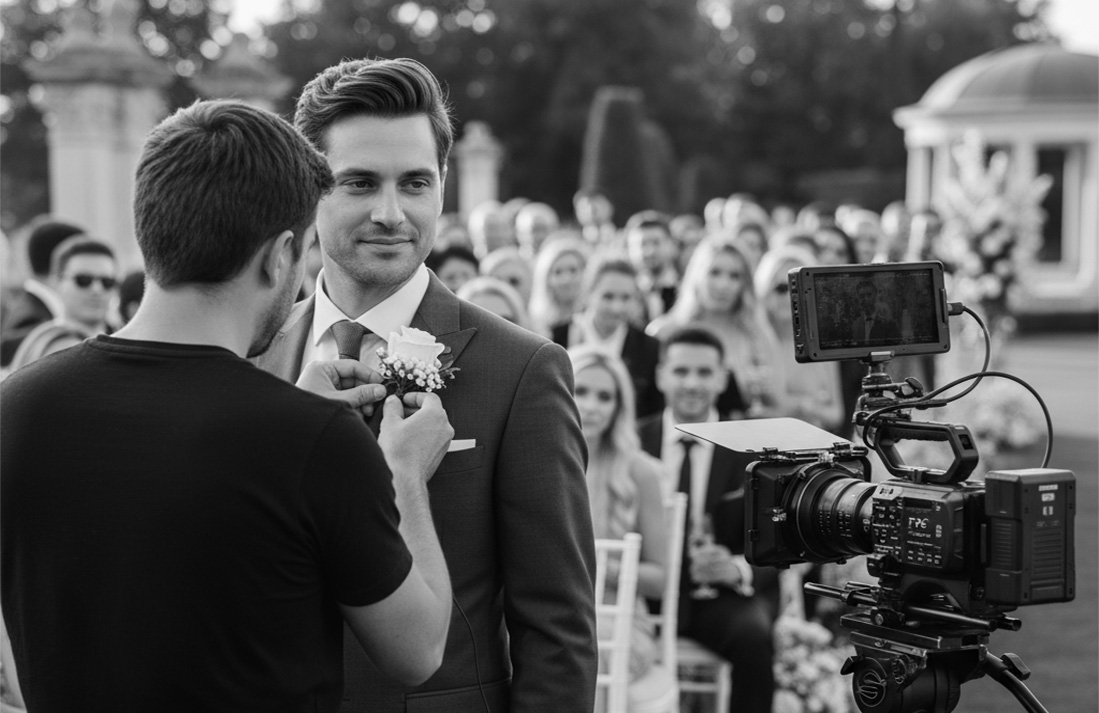
Groom getting mic’d up at outdoor wedding ceremony
There are two main types of lavalier microphones: radio mics, which transmit the signal directly to the camera, and local recorders, which save the audio to a small device worn by the person speaking. Radio mics are convenient but can suffer from interference, range issues, or signal drop-outs if someone stands between the transmitter and receiver. That’s why experienced videographers often prefer to record locally – it’s a much safer way to guarantee perfect sound.
Of course, capturing sound on the day is only half the job. The real magic happens in post-production, where a skilled editor enhances dialogue, removes background noise, and layers in ambient sounds and music to create a cinematic sound design. This level of care separates a beginner from an experienced videographer – it’s what turns a simple recording into something emotionally powerful.
And for large weddings with multiple speakers or readings, hiring a sound engineer isn’t an extravagant extra – it’s a valuable investment. They can monitor audio live during the speeches, adjusting levels on the spot to make sure nothing is missed and every word is perfectly recorded.
Step 5: Planning the Day with Your Videographer
Whether you’re getting married at a country estate, London venue, Scottish castle or overseas destination, it’s important to think beyond the portfolio and price. The way they plan and work on the day itself can have a huge impact on how smoothly everything runs and how natural your film feels. The best wedding videographers know how to fit seamlessly into the rhythm of the day, capturing real moments without interrupting them.
One of the first things I recommend couples do is share a simple schedule of the key parts of the day – the ceremony, speeches, first dance, and any moments that are particularly important to you. A good videographer doesn’t need a minute-by-minute breakdown, but having an outline helps them anticipate lighting changes, equipment needs, and when to position themselves for the best coverage.
It’s also worth checking that your photographer is comfortable working alongside a videographer. Most are, but some may not be used to sharing space or time during key parts of the day. When both teams collaborate well, it makes for a much smoother experience. We often work hand-in-hand with photographers to ensure we’re not in each other’s shots, and to keep things relaxed for you and your guests.
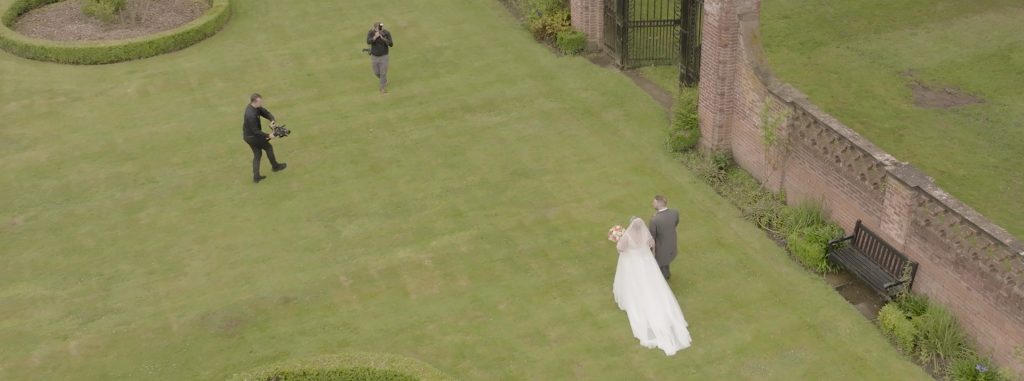
Videographer and photographer working well as a team
Another point to consider when choosing a videographer is their setup. I work entirely on battery power, which means I can film anywhere without needing access to mains electricity. This is particularly useful for outdoor, marquee, or destination weddings. It’s always worth asking your videographer how self-contained their setup is, especially if your venue has restrictions or limited access to power.
Finally, a good videographer knows how to blend into the background. We’re there to document, not direct. You should feel comfortable, natural, and present throughout the day. If you find yourself drawn to a videographer whose work feels unobtrusive and authentic, it’s likely because they understand how to anticipate moments rather than stage them – and that’s the kind of approach that will give you a film you’ll love watching for years to come.
Step 6: Understanding the Editing and Delivery Process
Editing is where your wedding film truly comes to life. It’s the stage that transforms all those fleeting real moments into a cinematic story that captures the emotion and rhythm of your day. When choosing a videographer, it’s worth understanding how they handle this process, as every filmmaker approaches editing differently.
Rather than focusing on how many rounds of edits are included, it’s much better to communicate your vision clearly before the wedding. Talk about tone, pacing, and the kind of music you connect with. Some couples love dynamic, energetic edits that reflect the fun of the reception, while others prefer something slower and more cinematic. Getting this right upfront helps ensure the final film feels authentic to you, without the need for multiple revisions later on.
I use a hybrid delivery approach that balances speed and craftsmanship. Short social media reels are ready within seven days, giving couples something to share while the memories are still fresh, while the full cinematic films take around thirteen weeks to ensure polished editing, colour grading, and sound design.
When it comes to raw footage, it’s worth asking what format your videographer provides. Some supply completely ungraded footage straight from the camera, while others (like myself) include basic colour grading so the clips look more natural and cohesive. Raw footage includes everything captured on the day – from full speeches from each camera feed and candid reactions to moments that don’t make it into the final edit. It’s usually offered as an optional extra, but for couples who want to keep every memory, it can be a lovely addition. I’ve also filmed weddings of several videographers and editors, so for them, this enables them to create their own edits.
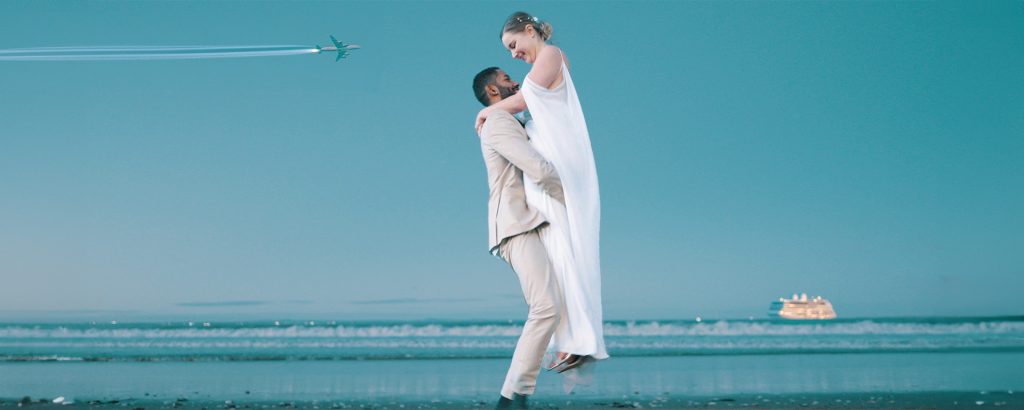
Filming the wedding of cinematographer Leo Zorzi
Finally, sound design plays a huge part in how a wedding film feels. The way the vows, laughter, and background music are balanced can change the entire mood. Ask whether your videographer enhances dialogue in post-production, uses licensed music, and mixes the audio to professional standards. These are the small details that elevate a wedding film from simple documentation to something that feels cinematic and emotionally resonant.
Final Thoughts
Choosing the right wedding videographer isn’t just a practical decision, it’s an emotional one. You’re selecting someone to preserve one of the most meaningful days of your life, not simply to document it, but to interpret it through their craft. A good wedding film doesn’t just show what happened, it conveys how it felt.
Take time to watch full-length examples, not just social reels. Pay attention to pacing, storytelling, and how naturally the moments unfold. Speak openly with your videographer about your personalities, your relationship, and the tone you want your film to have. The best collaborations are built on trust and shared understanding long before the cameras start rolling.
When everything aligns: your vision, their style, and the emotion of the day, the result is something far more powerful than a record of events. It’s a film that will transport you back, year after year, to the laughter, energy, and love that made your day uniquely yours.
For more tips on planning your wedding day for the best film, see our Wedding Day Planning Tips & Advice.Frequently asked questions
How far in advance should we book our wedding videographer?
A trend we're seeing is that couples are planning weddings with shorter lead times than they did a few years back, but top UK wedding videographers are often booked 12-24 months in advance. This is particularly true for key dates such as summer weekends. Special dates, such as 26-7-26 (a Sunday) and 27-6-27 (Sunday), are also popular. Typically, our two most popular dates of the year are the last Saturday in July and the middle Saturday in August. All that being said, it's always worth reaching out to your chosen videographer at any time as you may find they're available.
Do I need more than one videographer for my wedding?
Small weddings and elopements where the whole wedding is taking place at the same venue would, in most cases, be fine with a single videographer. Here are the scenarios where I believe a second or third videographer would add value. Firstly, if you and your partner are going to be getting ready in different locations in the morning, having a second videographer is a must. That way the preparations on both side can be covered. Secondly, I would recommend a second videographer for longer ceremonies, such as church weddings, or where there are over 100 guests. Two videographers could comfortably operate 3 cameras, giving plenty of angles whilst reducing movement and avoid having to cross sides during the ceremony. See our article on Do I Need More Than One Videographer for My Wedding? for a more complete answer.
Do wedding videographers usually allow couples to select music for the soundtrack?
Every videographer will have a different view on this. The soundtrack is a creative choice and a key element of a wedding film. Having a song which doesn't match the visuals can completely change the mood of a film. Many videographers like to retain this creative control, and you'll probably receive a better film for it. However, pragmatic videographers understand that couples have songs which hold a special meaning to them (first dance song, entrance/exit songs etc.), and will incorporate their wishes. Personally, when I'm editing films for social media, I will choose a track which I know will be cleared for use on the platforms. For highlight and longer films, the couple will choose the songs, and I will highlight any issues with their choices if there are any, and work with them to select tracks I think will work well.